
Funding strategies & partnerships for impact projects
Executive Training |
Brazzaville, Congo |
November 23–27, 2026
Identify opportunities. Structure projects. Mobilize partners.
Five days of intensive training for executives, managers, and professionals who want to transform high-potential projects into structured, credible, and fundable initiatives.
This Executive Training program brings together a select group of participants in Brazzaville, led by Baudouin Michel, a leader bringing 40 years of experience at the intersection of the private sector, institutions, universities, and public-private partnerships.
Joining him are investors, executives, and institutional stakeholders who share their perspectives on financing and partnerships.
Confirmed speakers include Philippe Bouiti Viaudo, investor and Founder of OBAC Capital and President at the Investors Club for Africa, as well as an institutional session hosted by the Delegation of the European Union to the Republic of Congo.
This program is therefore not just about learning how to secure funding.
The goal is to understand how those who finance, invest, and build partnerships think, what makes a project likely to capture their attention, and how to build a truly sustainable resource mobilization strategy.
You come with a project. You leave with a process.
Why this Training
The resources exist. But the competition to access them is fierce.
Between public funding, international cooperation, foundations, private investors, companies, public-private partnerships and new financing mechanisms; organizations today have multiple possibilities to develop their projects.
But you still need to know where to look, how to position yourself, and how to convince others.
A noble cause, a meaningful concept is not enough.
The partners assess the relevance of the project, its intervention logic, its economic model, its governance, the risks, the expected results, the credibility of the organization carrying it out and its ability to create value or impact.
This Executive Training was designed to enable participants to better understand this environment and to acquire methods directly applicable to their own projects and organizations.
The Program
-
Understanding the fundamentals of resource mobilization and placing fundraising within an organization's overall strategy.
You will examine in particular the different categories of resources and partners, as well as the conditions that make an organization or project credible in the eyes of a funder.n text goes here
-
DescriptionFunding begins with a well-designed project.
This section allows us to work on the project cycle, the identification of problems and stakeholders, the logic of intervention, the results, the activities, the indicators and the main dimensions of the feasibility of a project. text goes here
-
Who funds what? Why? According to what criteria?
Participants will explore different funding ecosystems and learn to analyze the priorities, strategies, procedures and expectations of donors and partners.Description text goes here
-
How do you read a call for proposals? How do you decide if it warrants significant mobilization from your organization?
This section covers the identification of opportunities, eligibility and selection criteria, and the analysis of calls for proposals and funding mechanisms.
-
Participants will work on the essential components of a proposal: project coherence, rationale, results, activities, budget, follow-up, credibility and presentation.
-
Resource mobilization is not limited to traditional donors.
Exchanges with practitioners will allow us to explore other approaches: investment, private financing, strategic partnerships, governance, risks and decision criteria.
-
The training concludes with the consolidation and presentation of participants' work, feedback from experts, and the definition of next steps to be implemented after the training.
-
What’s makes a project investment-ready? An investor will help participants understand what makes a project credible and fundable, the criteria that influence an investment decision, the risk signals that can weaken a case, and the elements that might encourage an investor to continue the discussion.
Plus: Institutional Session hosted by the Delegation of the European Union to the Republic of Congo.
Priorities, assessment of project proposals, and building partnerships.
What you will be able to do at the end of the training

Who is this Executive Training for
This Executive Training is primarily aimed at leaders and professionals from both the private and public sector, as well as high potential entrepreneurs who want to strengthen their competencies in leading, designing, developing, and supporting strategic projects and better navigate the constantly evolving landscape of donors and funders.
Part of the value of this week lies in the people gathered around the table. They are professionals coming from corporate companies, SME’s, national and international NGOs, public institutions, international institutions, universities and research centers, consulting firms.
The group is intentionally limited in order to preserve the quality of exchanges, practical work, access to speakers, and network dynamics.
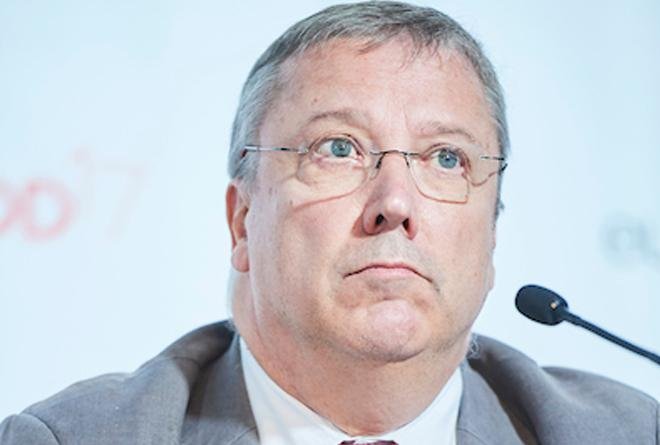
Baudouin Michel
Chairman of corporate management boards, Foundation Director, University Rector, University Professor, PPP International Expert
40 years of international experience, recognized leadership, and tangible impact.
At the crossroads of the corporate world, academia, the institutional sector, and international funding.
An agricultural economist, Baudouin Michel is a Honorary Lecturer at the University of Liège – Gembloux Agro-Bio Tech (Belgium), where he teaches the economics of developing countries and project design and evaluation, among other things.
He is a Professor at ERAIFT, a pan-African postgraduate university operating under the auspices of UNESCO and dedicated to protected areas management and land use planning. He was also Administrator of ERAIFT (2025-2026) and Director of ERAIFT (2010-2025).
From 2021-2025, he was Honorary Rector of IFA-Yangambi (DRC), a leading higher education institution dedicated to agriculture and agronomy sciences.
His years in the private sector include a position as a Managing Director of the Kwilu-Ngongo sugar refinery in DRC (1989-1992) and of the Katale Estate in DRC (1992-2020).
He was a member of the European Union’s Task Force for Rural Africa (2017-2019) and, mandated by the FAO, he has coordinated the analysis of food systems in the DRC (2021-2022).
Today, Mr Michel chairs the Management Board of Pendjari National Park (Benin), serves as Interim Chair of the Board of Directors of Garamba National Park (DRC), and is a Director of the Odzala-Kokua-Lossi Foundation (Rep of Congo).
For four decades, Baudouin Michel has worked with international, bilateral, and multilateral donors and has operated at the forefront of public-private partnerships.
This wealth of experiences forms the common thread of the executive training program: understanding projects not only from the point of view of those seeking resources, but also from the point of view of those who evaluate, finance, govern, and expect results from them.
Meet the Lead Trainer
Meet the Guest Expert | Investment, Finance & Governance
Philippe Bouiti Viaudo is a specialist in financial strategy, capital mobilization, investment, and governance. He advises companies and executives on their growth, transformation, and financing projects.
Through Investors Club 4 Africa, he also helps bring investors and project developers together around value-creating and impactful opportunities in Africa.
Through OBAC Capital, he is particularly involved in structuring and raising financing for African companies. The firm recently advised a waste recycling company, Congo Plast, on raising USD 400,000 in seed funding.
During the Executive Training, Philippe will provide theinvestor’s perspective. This will be an opportunity to understand, from the inside, how the person who has to decide to invest thinks.
The session will be intentionally interactive, with project analysis and discussions allowing participants to compare their approach with the real-world perspective of an investment professional.
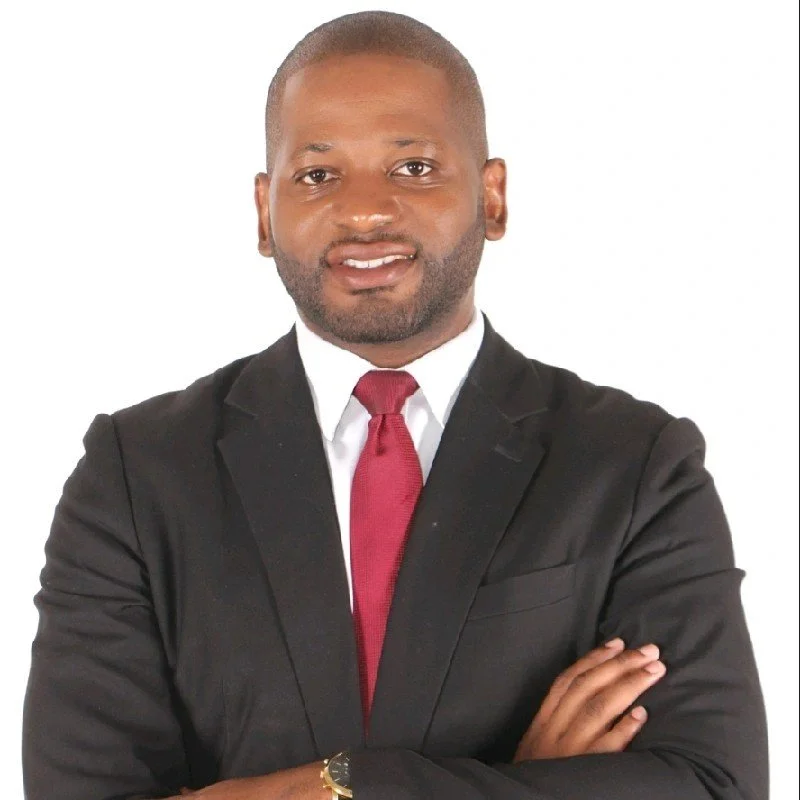
Philippe Bouiti Viaudo
Founder and Managing Partner of OBAC Capital, Chairman of the Board of Directors of Investors Club for Africa (IC4A), Independent Director and Chairman of the Risk and Audit Committee of BPC Bourse.
Participation Fee
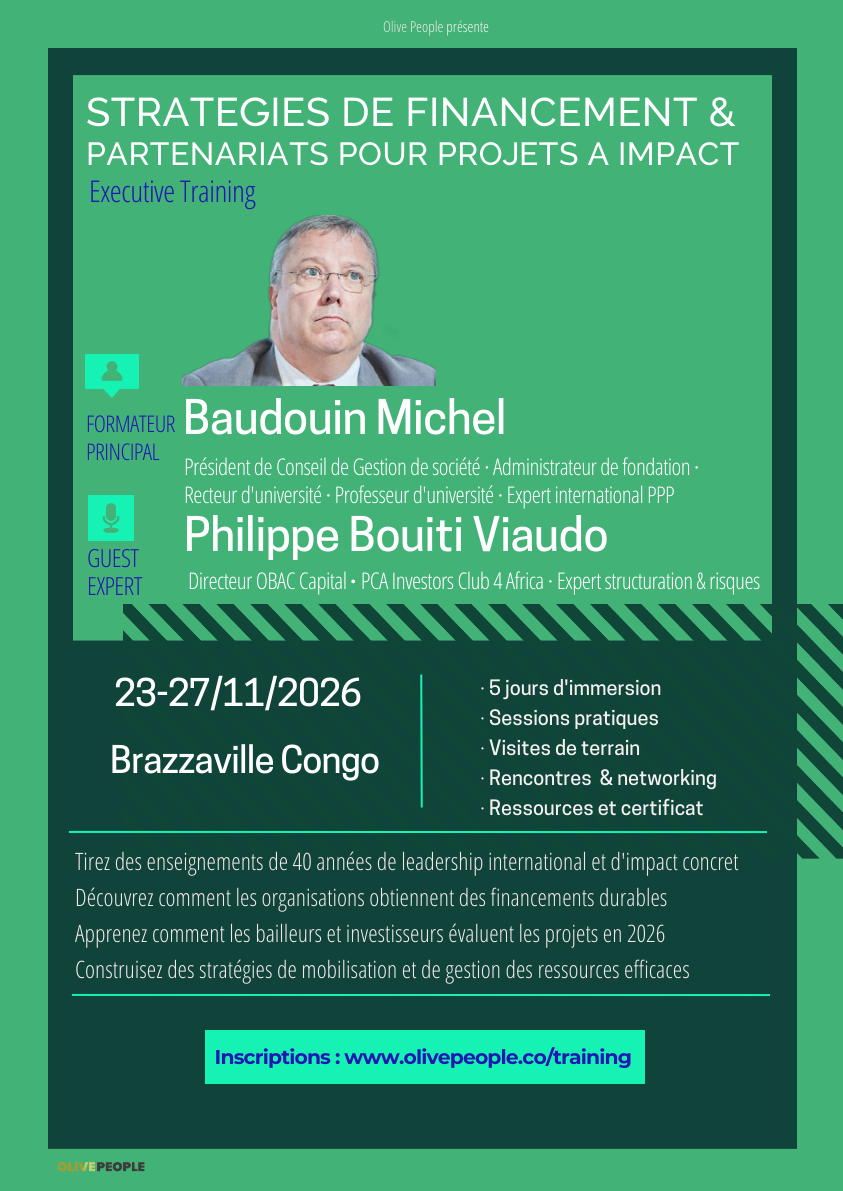
L’Executive Training est plus qu’une simple formation. Elle est une immersion de 5 jours conduite par Baudouin Michel, leader dans les secteurs privé, académique, et institutionnel, fort de 40 ans d’expérience internationale; permettant aux participants de devenir des pilotes de projets capables de s’orienter dans l’environnement compétitif des bailleurs, d’obtenir des financements pour des projets stratégiques, et de mobiliser durablement des partenaires.
€750 per participant
The fees cover:
5 days of immersive training
Interventions by guest experts
An institutional session hosted by the Delegation of the European Union in the Rep of Congo
Support by the Lead Trainer
Case studies and practical sessions
Teaching materials and resources
Lunches, coffee breaks, and refreshments as provided in the program
Networking activities including drinks
Access to digital training resources
The Olive People Certificate of Participation
Plus : The After-Training Project Clinic - Shortly after the training, participants will be able to meet with an investor during an online session to discuss the progress of their projects from the investor's perspective.
Travel to/from Brazzaville, airport- and port transfers, and accommodation are not included.
The number of seats is limited
The cohort is intentionally limited to ensure the quality of discussions, access to speakers, and the learning experience. Seats are allocated in order of confirmed registration.
An Executive Training.
Not a succession of presentations.
For five days, several learning formats, different dimensions and perspectives, and a wealth of solutions and experiences to inspire, equip, and strengthen your leadership.

AN EXCLUSIVE SESSION WITH THE EUROPEAN UNION DELEGATION
Understand
How an institutional partner defines its priorities and analyzes proposals.
As part of the Executive Training, participants will be hosted by the European Union Delegation in the Republic of Congo for an exclusive session.
Exchange
Ask questions directly to professionals involved in development cooperation and financing.
This unique experience inside one of the largest development finance players offers a great opportunity to learn directly from institutional investors and practitioners and to get an insightful panorama of the financing and partnership ecosystem in Congo.
Apply
Connect the training's lessons to the realities of financing, partnerships, and implementation in Congo.
An approach already put into practice
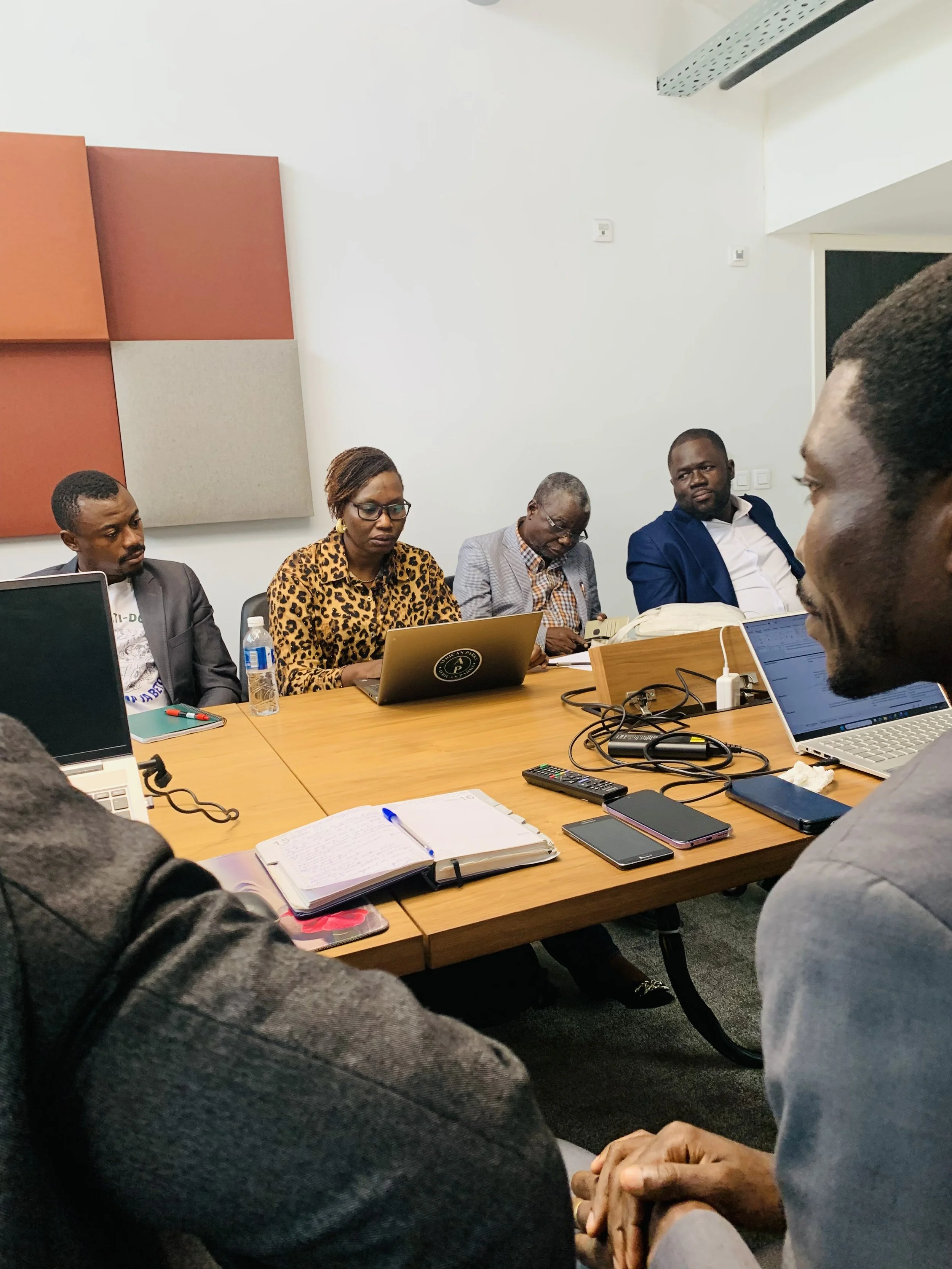
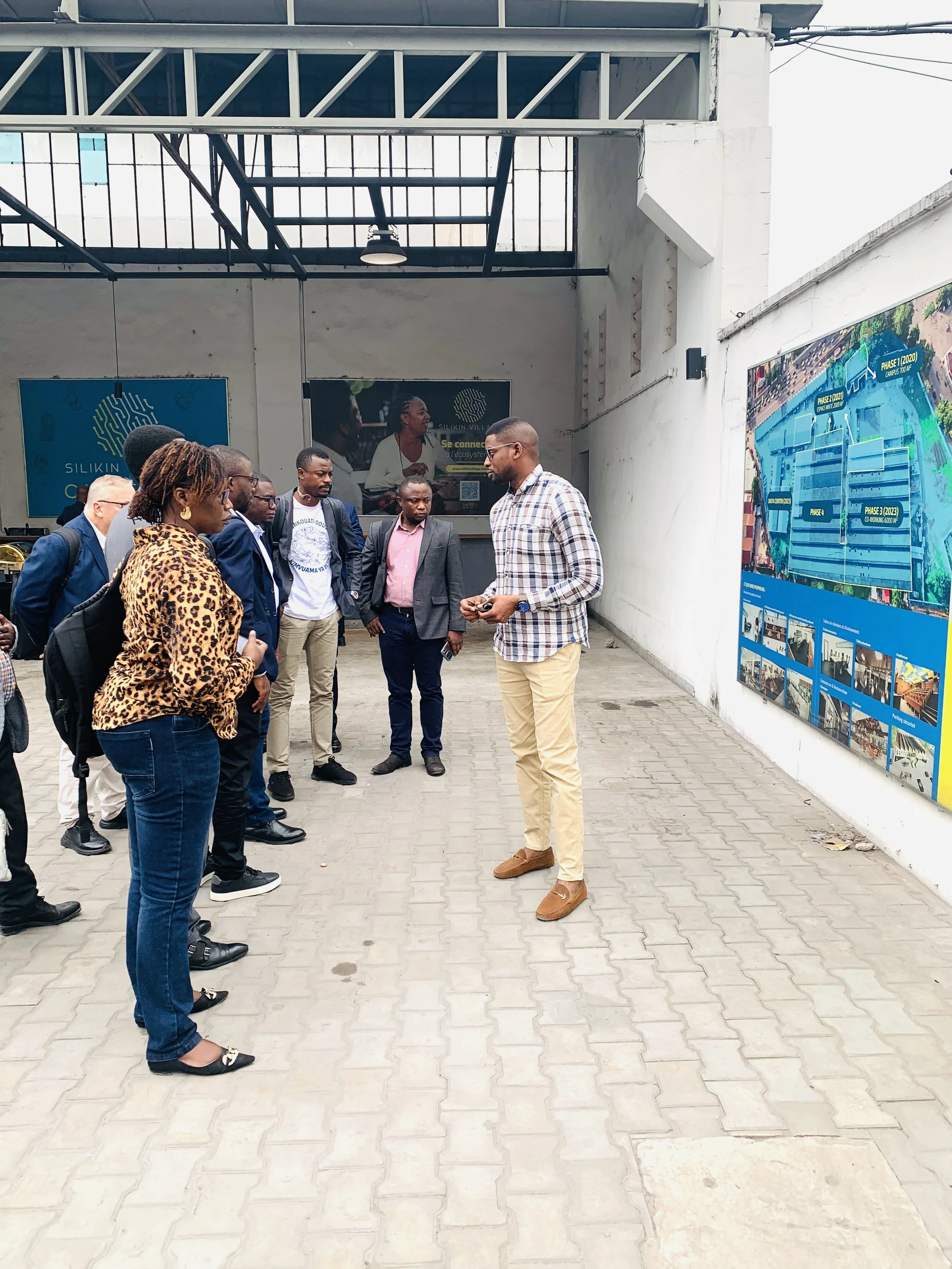
The first edition brought together professionals, experts, and institutions in Kinshasa DRC around an approach combining classroom learning, practical exercises, meetings with field actors, and institutional immersions.
Brazzaville will build on this experience while adapting it to its own ecosystem of financing, partnerships, and sustainable development.
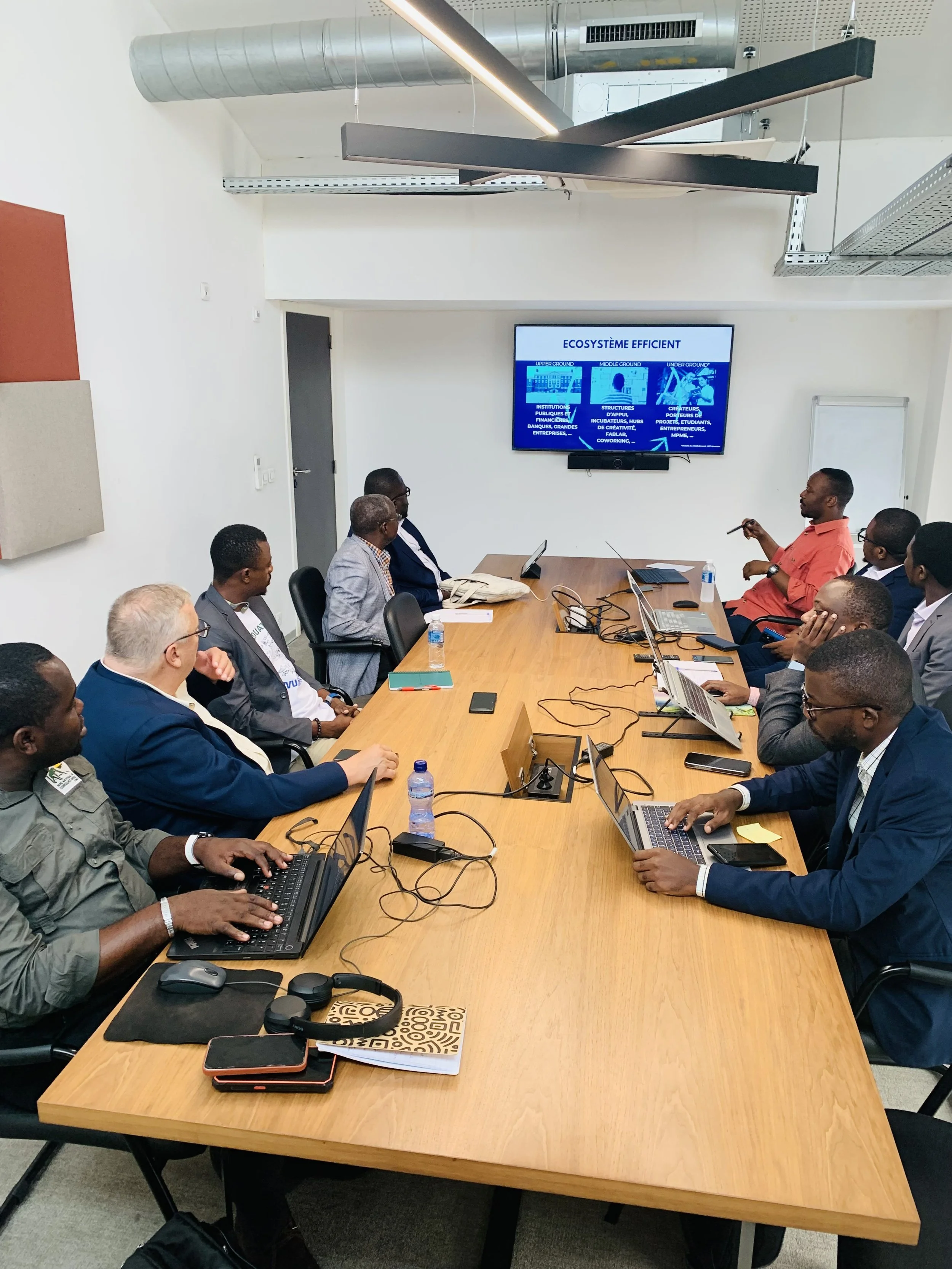
Learn — Interactive sessions and practical exercises
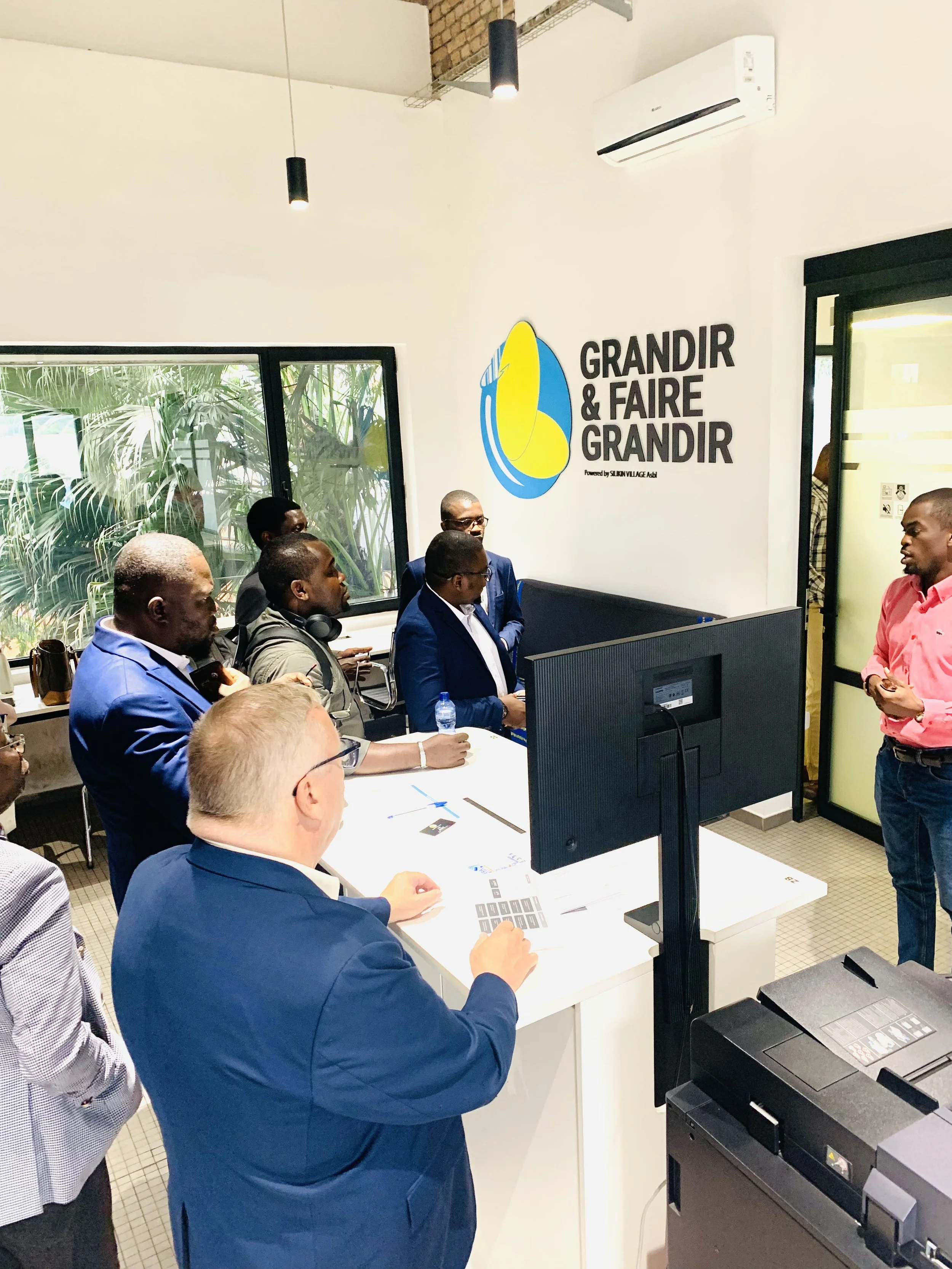
Meet — Immersion in innovation ecosystems
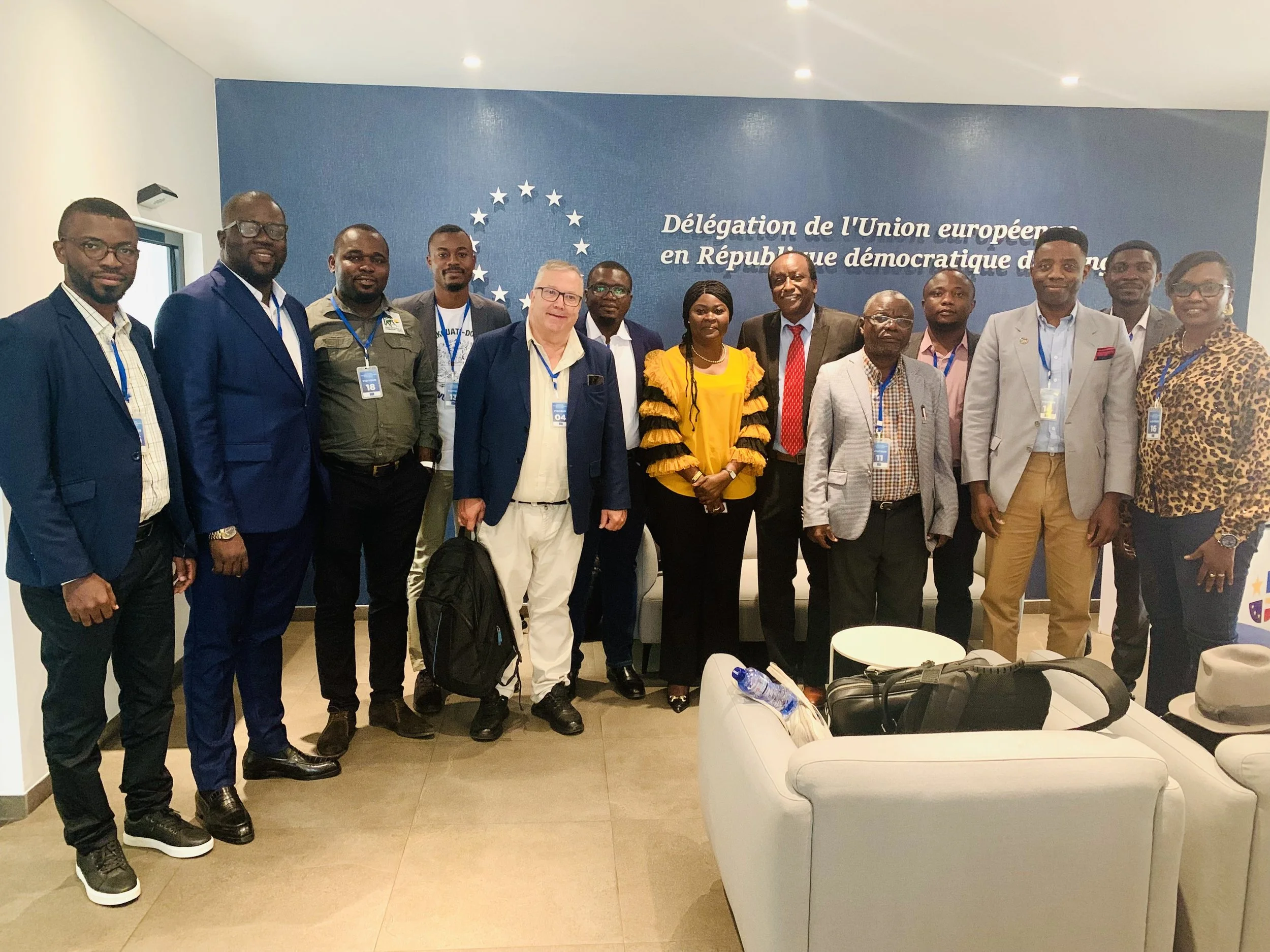
Understand — Session with the Delegation of the European Union in the DRC
Apply — Working on real-world problems
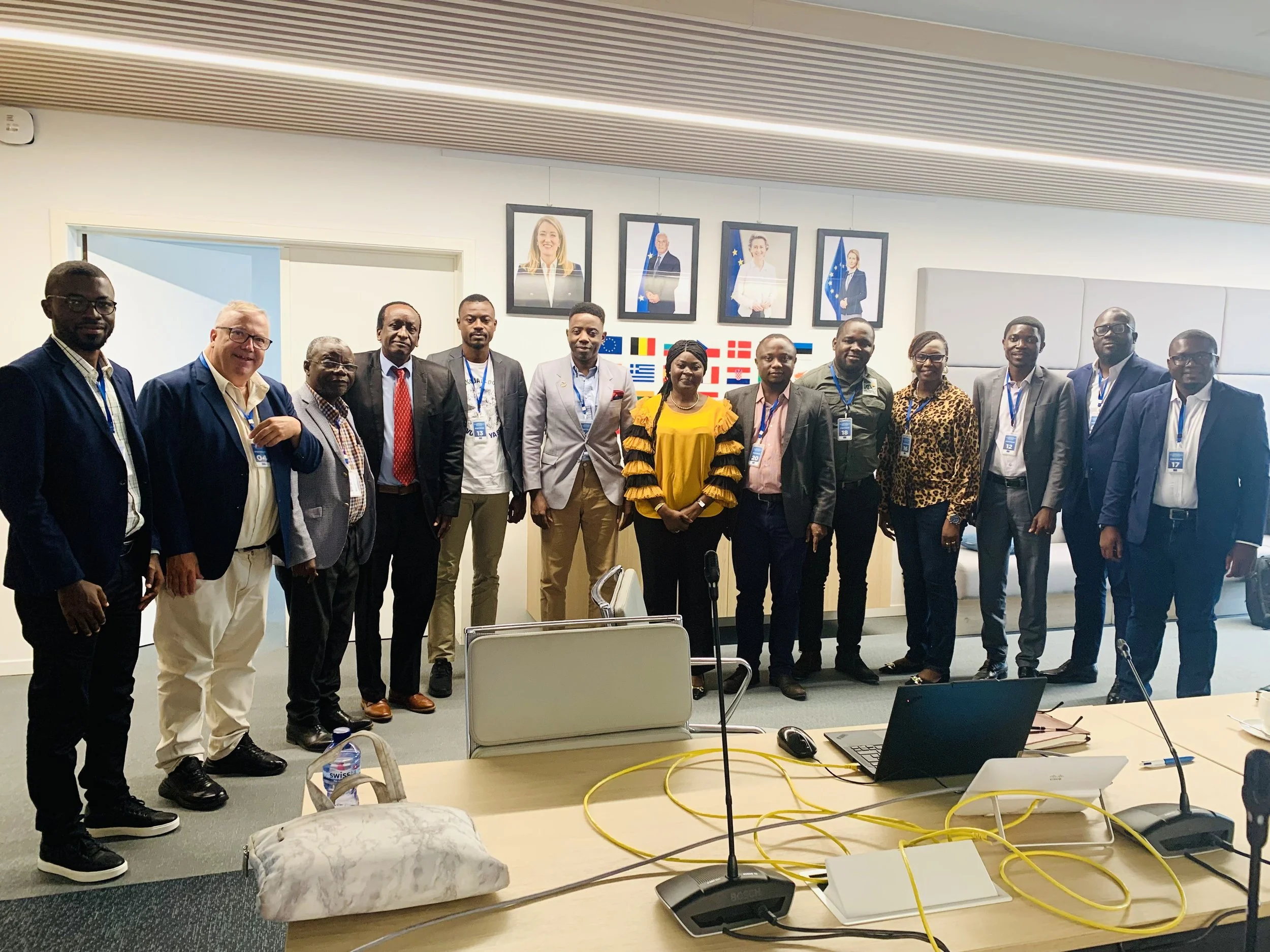
Network — Exchanges with development institutions and partners
Why Brazzaville is part of the learning experience
In recent years, Brazzaville has established itself as a meeting place for companies, governments, donors, investors, scientists, NGOs, and local stakeholders to address some of the continent's major development challenges.
The city notably hosted:
The Three Basins Summit in 2023
The International Conference on Afforestation and Reforestation in 2024
The first World Congress of Indigenous Peoples and Local Communities of Forest Basins in 2025
The African Development Bank Annual Meetings in 2026.
This dynamic is supported by a particularly rich ecosystem: public institutions, international cooperation actors, major corporations, conservation organizations, forestry operators, researchers, entrepreneurs, and civil society organizations are all working on issues ranging from biodiversity and forests to sustainable agriculture, energy, investment, and territorial development.
It is precisely this ecosystem that the training program aims to leverage.
Some sessions and meetings may therefore take place outside the training room, allowing participants to interact with organizations that fund, invest in, develop partnerships with, or implement impactful projects.
In Brazzaville, for five days, the city itself becomes a learning space.

Testimonial
“I had the privilege of participating in a comprehensive immersion into the mechanisms that distinguish a well-intentioned project from a well-funded, sustainable, and impactful one.
The training brought together representatives from international NGOs, development professionals, researchers, and agricultural entrepreneurs. This diverse range of profiles led to very practical discussions.
The training was facilitated by Professor Baudouin Michel, an international expert in mobilizing R&D funding, with over 40 years of experience working across projects, institutions, and the private sector.
I would like to take this opportunity to thank the participating institutions and experts, as well as all the participants, for the quality of the discussions.”
Didier M. Yalire
Practical Information
-

DATE AND LOCATION
November 23-27, 2026
5 days
Brazzaville, Rep of Congo
-

FORMAT
In-person
-

LANGUAGE
French
-

PARTICIPATION FEE
750 EUR
Excl. Bank charges, travel, transfers, accommodation.
Frequently Asked Questions
-
Yes. If you have a question about the program, want to check if the training is right for you, or need to speak with us before making your payment, the Olive People team is available by phone, WhatsApp, or email.
+242.06.934.2386
cro@olivepeople.co
-
Yes. Travel and accommodation costs are not included, but Olive People can provide you with a selection of hotels and practical information to help you plan your arrival, transfers, and getting around in Brazzaville.
-
It is highly recommended, but not mandatory. If you have a project, an idea, a call for proposals, or a specific funding challenge, you can use it as a framework to apply the methods and tools covered during the week.
-
Yes. Companies, NGOs, public institutions, and international organizations can register one or more employees and request an invoice in their organization's name. As the total number of participants is limited, we recommend booking well in advance.
-
After payment confirmation, you will receive your registration confirmation and, closer to the training date, logistical information, the detailed program, and any preparatory work. The Olive People team will remain your point of contact until your arrival in Brazzaville.
-
The cancellation, participant replacement, and refund policies, if applicable, are specified at the time of registration. If you are registered by an organization, replacement by another employee may be considered, subject to the applicable conditions.